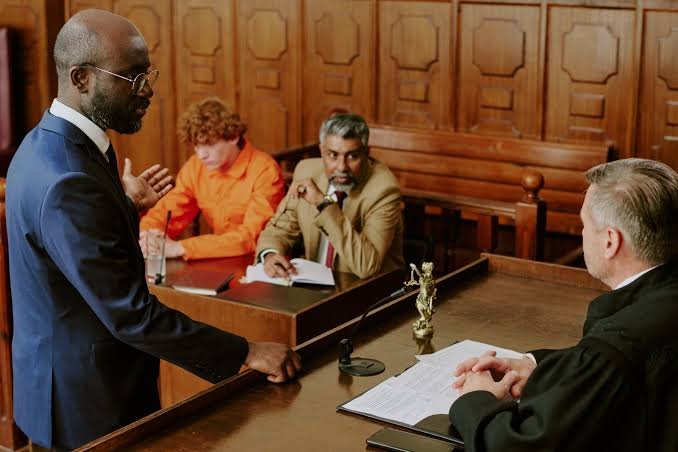
A criminal case can fall apart long before a jury hears a single witness. Sometimes prosecutors discover that an accusation cannot be supported by reliable evidence. In other situations, a grand jury refuses to return an indictment, or a defendant completes a program that allows the prosecution to end without a conviction.
These outcomes are often described as having the charges dropped. Legally, however, they involve different decisions and procedures.
Yes, criminal charges can be dropped before trial in Dallas, Texas. Prosecutors may request dismissal when continuing prosecution is not justified, courts may dismiss charges on recognized legal grounds, and certain eligible defendants may receive dismissals through pretrial diversion.
The outcome depends on the evidence, the nature of the allegations, and the procedural stage of the case.
Who Actually Has the Authority to Drop Criminal Charges?
Criminal cases in Dallas are prosecuted on behalf of the State of Texas, generally through the Dallas County District Attorney’s Office.
After charges have been filed, prosecutors cannot always terminate the case through an informal decision.
Texas Code of Criminal Procedure Article 32.02 allows the attorney representing the state to request dismissal.
The prosecutor must file a written statement explaining the reasons, and the presiding judge must consent to the dismissal.
This means the prosecutor and judge have distinct responsibilities.
Defense attorneys can present evidence and request appropriate relief, but they do not independently control the prosecution’s charging decisions.
A defendant’s claim of innocence, by itself, does not automatically require dismissal.
A Felony Case May End Before Indictment
Felony prosecutions generally involve grand jury proceedings.
The grand jury examines the evidence presented to determine whether probable cause supports a formal criminal accusation.
If the grand jury returns a true bill, an indictment is issued.
If it returns a no bill, the grand jury has declined to indict.
For someone facing a felony investigation in Dallas, a no-bill decision can end the immediate prosecution without a criminal trial.
However, a no bill is not the same as an acquittal.
Prosecutors may sometimes present the matter again when legally permitted, particularly if additional evidence becomes available.
The grand jury’s decision therefore should not automatically be interpreted as a permanent prohibition against future charges.
When New Evidence Changes the Prosecution’s Position
Criminal investigations do not always produce a complete or accurate picture at the beginning.
Police reports may contain conflicting statements. Identification evidence may be questioned, or digital records may contradict an earlier account.
Consider a Dallas theft investigation in which surveillance footage initially appears to implicate a particular individual.
Additional recordings might later establish that the person was elsewhere when the alleged offense occurred.
Prosecutors may reassess whether they can prove the required elements of the charge beyond a reasonable doubt.
Texas Code of Criminal Procedure Article 39.14 governs discovery in criminal proceedings.
It requires disclosure of specified evidence and information, including material that tends to negate guilt or reduce punishment.
A meaningful review of the available evidence may reveal weaknesses that justify reconsidering the prosecution.
However, disagreement about witness credibility does not necessarily require dismissal. Some factual disputes remain appropriate for trial.
Can Illegal Evidence Lead to Dismissal?
Certain legal challenges focus on how evidence was obtained.
Texas Code of Criminal Procedure Article 38.23 generally prohibits admitting evidence obtained in violation of applicable federal or Texas constitutional or legal protections, subject to recognized exceptions.
A defense attorney may challenge evidence obtained through an allegedly unlawful search or seizure.
If the court determines that particular evidence is inadmissible, prosecutors may have difficulty proving their case.
For example, excluding evidence essential to establishing the alleged offense could substantially weaken the prosecution.
However, suppression of evidence does not automatically dismiss criminal charges.
The case may continue when sufficient other admissible evidence remains.
The legal effect depends on the particular evidence, the ruling, and the remaining allegations.
Dallas Has a Pretrial Diversion Program
Some defendants may have an opportunity to resolve their cases through pretrial diversion rather than ordinary criminal litigation.
The Dallas County District Attorney’s Office offers diversion opportunities primarily focused on qualifying first-time, nonviolent offenders.
Eligibility depends on the offense, criminal history, assessment findings, and prosecutorial approval.
Dallas County’s pretrial diversion referral process generally requires submission before indictment or within 120 days after indictment.
Participants accepted into an appropriate program must complete the applicable requirements.
These may involve supervision, education, treatment, or other court-approved conditions.
Successful completion can result in dismissal of the charges or prevent the case from proceeding to indictment.
Participation is not an automatic entitlement, and unsuccessful completion may result in ordinary prosecution continuing.
A diversion dismissal also does not automatically erase the arrest record.
Can the Alleged Victim Request Dismissal?
A reporting person may decide that they no longer want criminal charges pursued.
That person’s position can be relevant to the prosecutor’s evaluation.
However, the alleged victim does not control the criminal case.
The prosecution is brought on behalf of the state, and prosecutors may continue when the available evidence and applicable law support doing so.
This distinction matters when independent evidence exists, such as recordings, documents, forensic findings, or statements from other witnesses.
A request from the complaining witness does not automatically require the judge or prosecutor to dismiss the charges.
Dismissal Is Not the Same as a Reduced Charge
Plea negotiations can produce a different outcome.
A prosecutor may agree to withdraw one allegation while the defendant enters a plea to another offense.
Although one charge may disappear, the overall case can still result in a conviction or another legally significant disposition.
Deferred adjudication is another distinct Texas procedure.
Qualifying defendants may receive community supervision without an immediate adjudication of guilt, but this is not the same as having every charge dismissed before trial.
The exact terms and consequences should be understood before accepting an agreement.
What Happens After Charges Are Dismissed?
A dismissal may end the immediate prosecution, but several questions remain.
The defendant should determine whether the dismissal prevents refiling, whether any existing bond obligations have been addressed, and whether the arrest remains visible in criminal records.
Certain dismissals may allow a future prosecution, subject to applicable limitations periods and constitutional restrictions.
Texas also provides expunction procedures for qualifying individuals whose cases end without conviction.
Eligibility is not automatic and depends on the circumstances.
Frequently Asked Questions
Q1. Can a misdemeanor charge be dropped before trial in Dallas?
Yes. Prosecutors may request dismissal of a misdemeanor when legally appropriate, subject to judicial consent. Certain qualifying defendants may also obtain dismissal through applicable diversion procedures.
Q2. Can Dallas felony charges be dropped after indictment?
Yes. An indictment does not guarantee that the case will proceed to trial. Prosecutors may request dismissal, and recognized legal grounds may support other pretrial relief.
Q3. Does a no-bill decision mean the defendant was found innocent?
No. A no bill means the grand jury declined to indict. It is not a trial verdict establishing innocence, and renewed prosecution may be possible under applicable law.
Q4. Can a dismissed criminal case still appear on a background check?
Yes. Dismissal does not necessarily remove arrest or court records. Eligible individuals may be able to pursue expunction or other record-related relief under Texas law.