A tiny chip near the edge of a windshield might remain unnoticed for weeks. Then a sudden temperature change or another bump in the road turns it into a crack stretching across the glass. For Dallas motorists, the immediate concern is often the repair bill, followed by an equally important question: can you legally keep driving?
Driving with a cracked windshield is not automatically illegal in Dallas, Texas. Texas does not impose a blanket prohibition against every windshield crack or chip. However, damaged glass can become a legal issue when it obstructs the driver’s clear view, interferes with required safety equipment, or contributes to unsafe vehicle operation.
The size, location, and effect of the damage matter more than the simple fact that a crack exists.
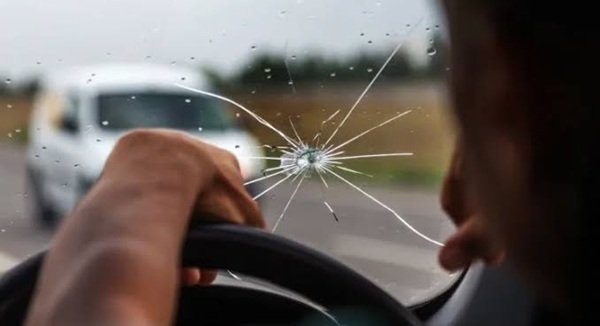
Texas Does Not Have a Universal Windshield Crack Limit
Some states establish specific measurements for acceptable windshield damage. Texas takes a different approach.
There is no general statewide rule declaring that every crack longer than a particular number of inches makes a passenger vehicle illegal to drive.
A small crack near the passenger-side edge of the windshield may present different concerns from a large fracture extending directly across the driver’s field of vision.
Texas Transportation Code Section 547.613 addresses certain materials and objects that obstruct or reduce a driver’s clear view through a windshield or windows.
Although this provision does not establish a universal crack-size limit, visibility remains an important legal and safety consideration.
Drivers should therefore evaluate how the damage affects their ability to see rather than relying on an assumed maximum crack length.
The Location of the Crack Makes a Difference
Not all windshield damage presents the same level of risk.
A useful way to assess the problem is to consider three areas of the glass.
Directly in Front of the Driver
Damage in the driver’s primary viewing area deserves immediate attention.
Even a relatively small chip can distort approaching headlights, traffic signals, or road markings.
Cracks may also produce glare when sunlight strikes the damaged glass.
Near the Windshield Edges
A crack along the outer edge may initially have little effect on visibility.
However, edge damage can spread and may compromise the windshield’s structural performance.
A crack that begins outside the driver’s viewing area can eventually extend into it.
Across the Passenger Side
Passenger-side damage may be less distracting to the driver, but it should not be ignored.
Windshields are designed to contribute to occupant protection and vehicle safety. Significant damage can affect their performance during a collision.
Can Dallas Police Stop You for a Cracked Windshield?
A police officer does not automatically have grounds to issue a citation simply because a windshield contains a minor chip.
However, a traffic stop may be justified when an officer observes facts supporting a reasonable suspicion that the vehicle violates an applicable equipment or traffic law.
For example, extensive windshield damage that substantially interferes with the driver’s visibility may prompt further investigation.
The circumstances matter.
A narrow crack at the bottom corner of the glass is different from shattered glass that makes it difficult to identify pedestrians or traffic signals.
Drivers should also remember that an officer may stop a vehicle for an unrelated violation and notice the windshield damage during the encounter.
What Happened to Texas Vehicle Safety Inspections?
Texas changed its vehicle inspection system beginning January 1, 2025.
Most noncommercial vehicles registered in Texas no longer require an annual safety inspection.
However, this change does not eliminate the requirement to maintain a vehicle in safe operating condition.
Dallas County remains subject to applicable emissions inspection requirements for covered vehicles.
An emissions inspection is not the same as a comprehensive windshield safety inspection.
Consequently, a vehicle may satisfy registration-related requirements while still having windshield damage that needs repair.
Commercial vehicles may also be subject to separate inspection and safety requirements.
Could a Cracked Windshield Contribute to an Accident?
A damaged windshield can create risks beyond reduced visibility.
Depending on the severity and location of the damage, possible problems include:
- Distorted views of approaching vehicles
- Increased glare during nighttime driving
- Reduced visibility during rain
- Cracks spreading after sudden temperature changes
- Impaired performance of windshield-mounted safety systems
- Potential weakening of the windshield’s structural integrity
Many modern vehicles have cameras and driver-assistance sensors positioned near the windshield.
Damage in these areas may interfere with lane-departure warnings, automatic emergency braking, or other features.
Windshield replacement may also require camera recalibration.
Drivers should follow the vehicle manufacturer’s repair recommendations rather than assuming replacement glass alone restores every safety function.
Who Pays for Windshield Repair in Dallas?
The cost of repairing or replacing a windshield depends on the vehicle, the type of glass, and the damage.
Insurance coverage may help, but Texas does not generally require every auto insurance policy to provide free windshield replacement.
Comprehensive coverage often addresses glass damage caused by covered events, subject to policy terms and deductibles.
For example, damage caused by flying road debris may qualify under comprehensive coverage.
However, coverage depends on the policy, and a deductible may make paying directly for a small repair more practical.
Before filing a claim, drivers should check:
- Whether comprehensive coverage applies
- The amount of the deductible
- Whether glass-specific coverage is included
- Whether repair and replacement have different conditions
- Whether camera recalibration is covered
Obtaining a repair estimate can help determine the most economical option.
When Should You Repair or Replace the Windshield?
Not every damaged windshield requires complete replacement.
Small chips may be repairable when the damage has not spread extensively and does not affect critical areas.
Replacement becomes more likely when cracks are long, reach the glass edges, interfere with visibility, or compromise important safety features.
Dallas weather can accelerate deterioration. Intense summer heat, sudden cooling from air conditioning, and rapid temperature changes may place additional stress on damaged glass.
For the best outcome, arrange an inspection before a minor defect develops into a larger problem.
Frequently Asked Questions
Q. Can you get a ticket for a cracked windshield in Dallas?
Possibly. A minor crack does not automatically constitute a traffic offense, but windshield damage that contributes to a violation of applicable equipment or safety laws may lead to enforcement.
Q. Is there a legal windshield crack size limit in Texas?
Texas does not establish a universal maximum crack length for every passenger vehicle. The location, severity, and effect of the damage on visibility are important considerations.
Q. Can you drive with a cracked windshield on Texas highways?
A cracked windshield is not automatically prohibited on highways. However, drivers must maintain safe visibility and comply with applicable traffic and equipment requirements.
Q. Will a cracked windshield cause a Texas vehicle inspection failure?
Most noncommercial vehicles no longer undergo annual Texas safety inspections. Covered vehicles in Dallas County may still require emissions inspections, which serve a different purpose. Commercial vehicle requirements can differ.
Q. Does Texas insurance cover cracked windshield replacement?
Comprehensive auto insurance may cover windshield damage from covered events, but deductibles and policy conditions apply. Texas does not generally guarantee free windshield replacement for every insured driver.