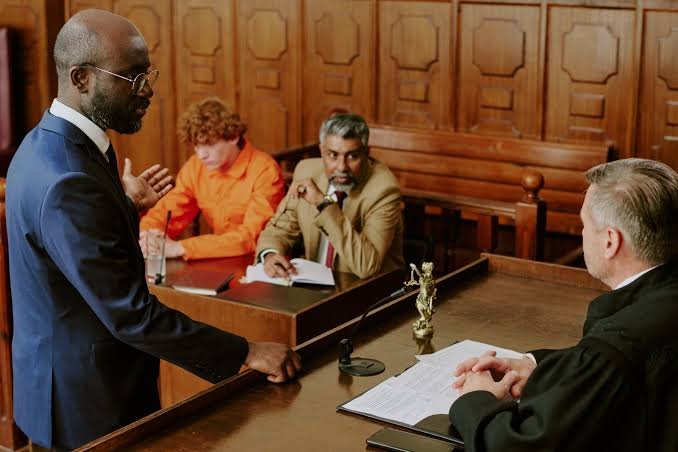
Evidence can disappear faster than an injury heals. Security camera recordings may be overwritten, witnesses may become difficult to locate, and businesses may replace equipment involved in an accident. Meanwhile, an insurance company may begin investigating responsibility before the injured person understands the full extent of their losses.
This creates an important question for Dallas residents: at what point does handling an injury claim independently become too risky?
Not every accident requires legal representation. A minor incident involving limited expenses and undisputed responsibility may be resolved directly through insurance.
However, you should consider hiring a personal injury lawyer in Dallas when an accident causes substantial injuries, fault is disputed, an insurer refuses reasonable compensation, or important legal deadlines are approaching.
The decision should reflect the complexity of the claim and the financial consequences of an unfavorable settlement.

When Important Evidence Needs to Be Preserved
Some personal injury claims are decided largely by the quality of the available evidence.
Consider an accident involving a commercial vehicle on Interstate 35E. Relevant information might include driver records, electronic vehicle data, maintenance documentation, photographs, and witness accounts.
Obtaining certain records may require formal legal procedures.
Similarly, a slip-and-fall claim involving a Dallas shopping center might depend on maintenance logs, inspection records, or surveillance footage.
An attorney can identify potentially relevant evidence, send appropriate preservation requests, and pursue available legal procedures for obtaining information.
Legal assistance is particularly valuable when the responsible business or individual controls evidence that the injured person cannot independently access.
When an Insurance Company Disputes Responsibility
A personal injury claim may become difficult when the insurer argues that its policyholder was not responsible.
Texas follows a modified comparative responsibility system.
Under Texas Civil Practice and Remedies Code Section 33.001, an injured person generally cannot recover damages when their percentage of responsibility exceeds 50%.
When the claimant’s responsibility is 50% or less, compensation is generally reduced according to the assigned percentage.
For example, a claimant awarded $80,000 but found 25% responsible would ordinarily recover $60,000.
This makes fault disputes especially significant.
A lawyer can examine accident reports, witness statements, photographs, and other evidence to evaluate whether the insurer’s assessment is supported.
When Medical Treatment Becomes Complicated
The amount of compensation available in a personal injury claim often depends on more than the first medical bill.
An injured person might require surgery, rehabilitation, additional examinations, or ongoing treatment.
Some injuries also affect employment and future earning capacity.
Suppose a Dallas warehouse employee suffers a significant injury in an accident involving a third party.
The immediate medical expenses may be known, but future treatment requirements and lost income could remain uncertain.
A personal injury lawyer can evaluate documented economic losses and determine what additional evidence may be necessary.
Settling too early can create difficulties when the agreement releases claims for future expenses that were not adequately considered.
Medical treatment decisions should remain with qualified healthcare professionals, while legal counsel evaluates the resulting claim.
When More Than One Party May Be Responsible
Some injury cases involve complicated relationships between businesses, property owners, contractors, and other individuals.
A construction site accident may raise questions about equipment maintenance, subcontractor responsibilities, and workplace safety.
A commercial truck collision may require examining the driver’s conduct alongside the responsibilities of another business.
An attorney can investigate potential defendants and applicable insurance coverage.
These cases require particular attention because identifying the wrong responsible party can affect the legal remedies available.
Work-related injuries may also involve Texas workers’ compensation rules and separate third-party claims.
The existence of workers’ compensation benefits does not automatically determine whether an independent personal injury lawsuit is available.
When a Settlement Offer Arrives Before Recovery
An insurance adjuster may offer payment while the injured person is still receiving treatment.
Accepting a settlement generally requires signing a release describing which claims are being resolved.
Once a valid release becomes binding, recovering additional compensation for those released claims may be difficult or impossible.
Before accepting an offer, it is important to understand whether the proposed amount addresses documented medical expenses, lost earnings, and other legally recoverable damages.
An attorney can review the settlement terms and evaluate whether important losses have been overlooked.
Representation does not guarantee a higher payment, but it can help clarify the consequences of accepting the agreement.
When a Government Entity May Be Involved
Claims involving government vehicles, public property, or government employees can present special legal requirements.
Under the Texas Tort Claims Act, qualifying claims generally require notice within six months after the incident, subject to statutory provisions concerning actual notice.
The City of Dallas charter also establishes a six-month written notice requirement for certain personal injury claims.
The notice must contain specified information concerning the incident and claimed damages.
Governmental immunity and other limitations can affect whether compensation is available.
Because these procedures differ from ordinary private-party injury claims, early legal evaluation can be particularly important.
When the Two-Year Filing Deadline Is Approaching
Texas Civil Practice and Remedies Code Section 16.003 generally requires personal injury lawsuits to be filed within two years after the claim accrues.
Certain exceptions may apply, depending on the circumstances.
This deadline concerns filing the lawsuit rather than completing settlement negotiations.
An injured person may spend months communicating with an insurer without realizing that the time available to initiate legal proceedings is running out.
Insurance discussions do not automatically extend the statutory deadline.
A lawyer can assess when the claim accrued, identify applicable exceptions, and determine whether litigation is necessary to preserve the claim.
When Hiring a Lawyer May Not Be Necessary
Some claims are straightforward enough to handle without full representation.
For example, a minor incident involving no ongoing injuries, clear responsibility, and reasonable reimbursement may not justify substantial legal expenses.
However, the situation should be reassessed if additional injuries emerge or responsibility becomes disputed.
Many Dallas personal injury lawyers offer contingency fee arrangements.
Texas Rule of Professional Conduct 1.04 requires contingency agreements to be written and signed, with information about attorney fees and litigation expenses.
Understanding these terms helps clients evaluate the financial consequences of hiring counsel.
Frequently Asked Questions
Q1. Should I hire a personal injury lawyer immediately after an accident in Dallas?
A: Early consultation may be useful when injuries are serious, important evidence could be lost, or responsibility is disputed. Minor claims may not require immediate legal representation.
Q2. Can I hire a lawyer after the insurance company denies my claim?
A: Yes. An attorney can review the denial, investigate the evidence, and evaluate possible legal remedies, provided applicable deadlines and other requirements are satisfied.
Q3. Do I need a lawyer if the other party admits fault?
A: Not necessarily. However, admitting responsibility does not automatically resolve disputes concerning medical expenses, injury causation, insurance coverage, or the amount of compensation.
Q4. Can a Dallas personal injury lawyer help without filing a lawsuit?
A: Yes. Attorneys may investigate claims, review insurance offers, negotiate settlements, and prepare legal agreements without initiating court proceedings. Litigation may become necessary when negotiations fail or a filing deadline approaches.