Unlike alcohol, marijuana does not come with a legally defined THC limit for drivers in Texas. There is no statewide rule saying that a particular number of nanograms of THC in the blood automatically establishes intoxication.
Instead, the law focuses on impairment.
That creates an important distinction between having used marijuana and being legally intoxicated while operating a vehicle. A person may have consumed cannabis hours earlier, but the legal question is whether the prosecution can establish the elements of a driving while intoxicated offense.
Driving after using marijuana is illegal in Dallas if the driver is intoxicated under Texas law. Marijuana-related impairment can result in a DWI charge even when no alcohol was consumed.
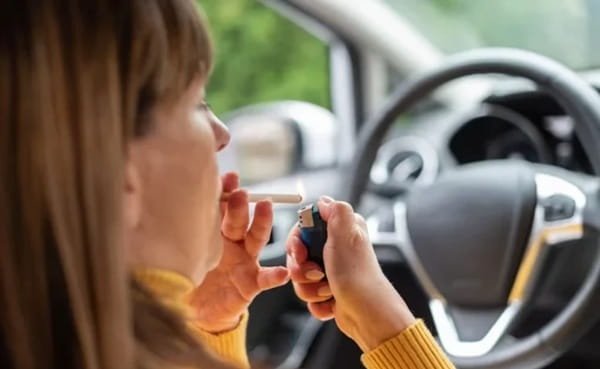
Texas DWI Law Covers More Than Alcohol
Texas Penal Code Section 49.04 makes it an offense to operate a motor vehicle in a public place while intoxicated.
Under Section 49.01, intoxication includes not having the normal use of mental or physical faculties because of alcohol, drugs, dangerous drugs, controlled substances, or combinations of substances.
For marijuana-related DWI cases, prosecutors generally must establish that the driver was operating a motor vehicle in a public place and was intoxicated at the relevant time.
A positive marijuana test alone does not necessarily establish every required element.
Texas does not have a general per se THC concentration limit comparable to its 0.08 blood-alcohol concentration standard.
Why Marijuana Impairment Can Be Difficult to Measure
Alcohol and THC behave differently in the human body.
THC is the principal intoxicating compound in marijuana. Its effects vary according to the amount consumed, method of consumption, individual tolerance, and other factors.
Potential effects relevant to driving include:
- Slower reaction times
- Reduced attention and concentration
- Difficulty judging distances
- Problems maintaining lane position
- Changes in coordination
- Impaired decision-making
However, the presence of THC or its metabolites does not always establish a person’s precise level of impairment.
Some marijuana-related compounds may remain detectable after the most noticeable intoxicating effects have subsided.
That distinction can become important when evaluating toxicology evidence in a criminal case.
What Police May Look for During a Traffic Stop
A marijuana-related DWI investigation often begins with observations about driving behavior.
An officer might notice unusual lane movements, delayed reactions, or other conduct suggesting impairment.
During an investigation, officers may consider several categories of evidence.
Driving Behavior
Erratic steering, unsafe speed changes, and traffic violations may contribute to reasonable suspicion for a stop or an investigation.
However, an ordinary traffic violation does not automatically establish intoxication.
Physical Observations
Officers may document speech, coordination, eye appearance, or other observations.
These findings must be considered in context because some symptoms can have explanations unrelated to marijuana.
Field Sobriety Testing
Officers may use standardized field sobriety tests to evaluate possible impairment.
The reliability and interpretation of those tests in drug-related cases can become disputed issues.
Chemical Testing
Blood testing may identify THC or related compounds.
Whether those results support an intoxication allegation depends on the substances detected, timing, expert interpretation, and other evidence.
What Happens After a Marijuana DWI Arrest?
A first DWI offense in Texas is generally classified as a Class B misdemeanor, subject to statutory exceptions and enhancements.
Potential consequences can include jail time, fines, court costs, and driver’s license consequences.
For a typical first offense, the statutory jail range is generally 72 hours to 180 days, although additional provisions can affect the applicable punishment.
More serious consequences may arise when a person has prior DWI convictions, a child passenger is involved, or an impaired-driving incident causes injury or death.
The outcome of an individual case depends on the evidence, charges, and applicable law.
Can You Be Charged if You Used Marijuana the Previous Night?
Possibly, but previous consumption alone does not prove DWI.
Texas law focuses on whether the person was intoxicated while operating the vehicle.
Suppose someone consumes marijuana late in the evening and drives the following morning.
The fact that THC-related substances remain detectable does not automatically establish that the driver lacked the normal use of mental or physical faculties during the morning trip.
Conversely, a person who still experiences impairment cannot assume that sleeping for several hours makes driving lawful.
There is no universally reliable waiting period that guarantees marijuana-related impairment has ended.
Edibles Can Create Unexpected Driving Risks
Edible cannabis products differ from smoked marijuana in how quickly their effects begin and how long those effects may last.
A person may consume an edible, initially feel little effect, and mistakenly assume driving is safe.
The intoxicating effects can develop later and may last longer than expected.
Combining marijuana with alcohol or certain medications can further increase impairment.
Drivers should avoid operating vehicles whenever their attention, coordination, or judgment may be affected.
Does Dallas’s Marijuana Enforcement Policy Affect DWI Charges?
Dallas voters approved Proposition R in November 2024, seeking changes to certain low-level marijuana possession enforcement practices.
However, that measure did not legalize impaired driving.
Its implementation has also faced legal challenges.
Texas DWI laws remain applicable in Dallas regardless of local marijuana possession enforcement policies.
Even when a possession allegation is not pursued, evidence of impaired vehicle operation can support a separate criminal investigation.
A Marijuana DWI Is Different From a Marijuana Possession Charge
These offenses address different conduct.
A possession case generally concerns whether someone knowingly or intentionally possessed marijuana unlawfully.
A DWI case concerns whether someone operated a motor vehicle in a public place while intoxicated.
A driver may face one charge, both charges, or neither, depending on the evidence.
Certain THC concentrates and cannabis products may also fall under controlled-substance provisions different from those governing marijuana plant material.
Frequently Asked Questions
Q. Is it illegal to drive after smoking weed in Dallas?
Driving after smoking marijuana is illegal if the driver is intoxicated under Texas law. Previous marijuana use alone does not automatically prove DWI.
Q. What is the legal THC limit for driving in Texas?
Texas does not establish a general numerical THC limit equivalent to the 0.08 blood-alcohol concentration standard. Drug-related DWI cases generally focus on impairment.
Q. Can you get a DWI for marijuana without failing a blood test?
Yes. A DWI allegation may rely on driving behavior, officer observations, and other admissible evidence. Chemical testing is not the only possible evidence.
Q. Can medical cannabis patients drive after using THC?
Medical authorization does not exempt someone from Texas impaired-driving laws. Patients must avoid driving while intoxicated.
Q. Can you be charged with DWI the morning after using marijuana?
Potentially. The relevant question is whether intoxication existed while the vehicle was operated, not simply when marijuana was consumed.